Finding Lasting Relief from Jaw Pain and Headaches
Millions of people struggle with persistent jaw discomfort, recurring headaches and the frustration of temporary treatments that do not address the underlying cause.
For patients in Los Angeles and surrounding areas, the search for effective, evidence-based solutions has led many to explore approaches beyond traditional pain management. One option is Botox therapy, which may help manage certain symptoms associated with temporomandibular joint disorders and overactive jaw muscles.
Temporomandibular joint disorders can develop from several contributing factors, including:
-
Chronic teeth clenching
-
Stress-related muscle tension
-
Teeth grinding
-
Jaw misalignment
-
Repetitive strain
-
Joint inflammation
-
Physical trauma
These conditions may cause facial pain, clicking or popping in the jaw, ear discomfort and chronic headaches that resemble migraine or tension-type headaches.
While rest, oral appliances and physical therapy remain common treatment options, Botox may be incorporated into a broader treatment plan to temporarily relax overactive jaw muscles and reduce excessive clenching or grinding.
By targeting muscles such as the masseter and temporalis, Botox injections may help reduce muscle tension and relieve pressure placed on the jaw system.
The treatment is minimally invasive, usually requires little downtime and should be performed by a qualified provider with detailed knowledge of orofacial anatomy.
As awareness grows throughout Southern California, more patients are exploring whether Botox may be appropriate for managing their TMJ-related symptoms.
Understanding TMJ: Causes, Symptoms and the Road to Relief
The temporomandibular joint, commonly known as the TMJ, acts as a hinge-and-glide mechanism connecting the jawbone to the skull.
It supports essential movements such as:
-
Speaking
-
Chewing
-
Swallowing
-
Yawning
-
Opening and closing the mouth
When the joint, surrounding muscles or supporting structures become inflamed, strained or dysfunctional, the condition is commonly referred to as Temporomandibular Disorder, or TMD.
TMD can contribute to chronic facial pain, jaw discomfort and related symptoms that interfere with daily life.
Common Symptoms of TMJ Dysfunction
-
Persistent jaw pain or tenderness, particularly after waking
-
Chronic headaches near the temples or base of the skull
-
Teeth grinding, also known as bruxism
-
Daytime or nighttime jaw clenching
-
Clicking or popping when moving the jaw
-
Jaw locking
-
Limited mouth opening
-
Ear pain or pressure without an infection
-
Tinnitus
-
Facial muscle tightness
-
Neck or shoulder discomfort
These symptoms may be associated with neuromuscular imbalances, physical trauma, arthritis, prolonged stress or repetitive jaw strain.
When left unaddressed, TMJ dysfunction may affect:
-
Sleep quality
-
Dental health
-
Eating
-
Speaking
-
Concentration
-
Daily comfort
-
Overall quality of life
An accurate diagnosis may involve evaluating jaw movement, joint function, muscle activity, bite relationships and contributing lifestyle factors.
Treatment generally focuses on reducing pain, managing muscle tension, improving function and minimizing strain through conservative approaches tailored to the individual.
How Botox Targets Jaw Tension to Relieve TMJ Pain
Botox therapy may help certain patients with TMJ-related discomfort by reducing excessive activity in overworked jaw muscles.
The treatment typically follows several steps.
1. Identify the Affected Muscles
The masseter and temporalis muscles are commonly evaluated because they may become overactive due to clenching or grinding.
A trained provider may assess:
-
Muscle tenderness
-
Jaw movement
-
Facial symmetry
-
Areas of muscle enlargement
-
Clenching patterns
-
Headache location
-
Pain triggers
This evaluation helps determine whether muscular overactivity is contributing to the patient’s symptoms.
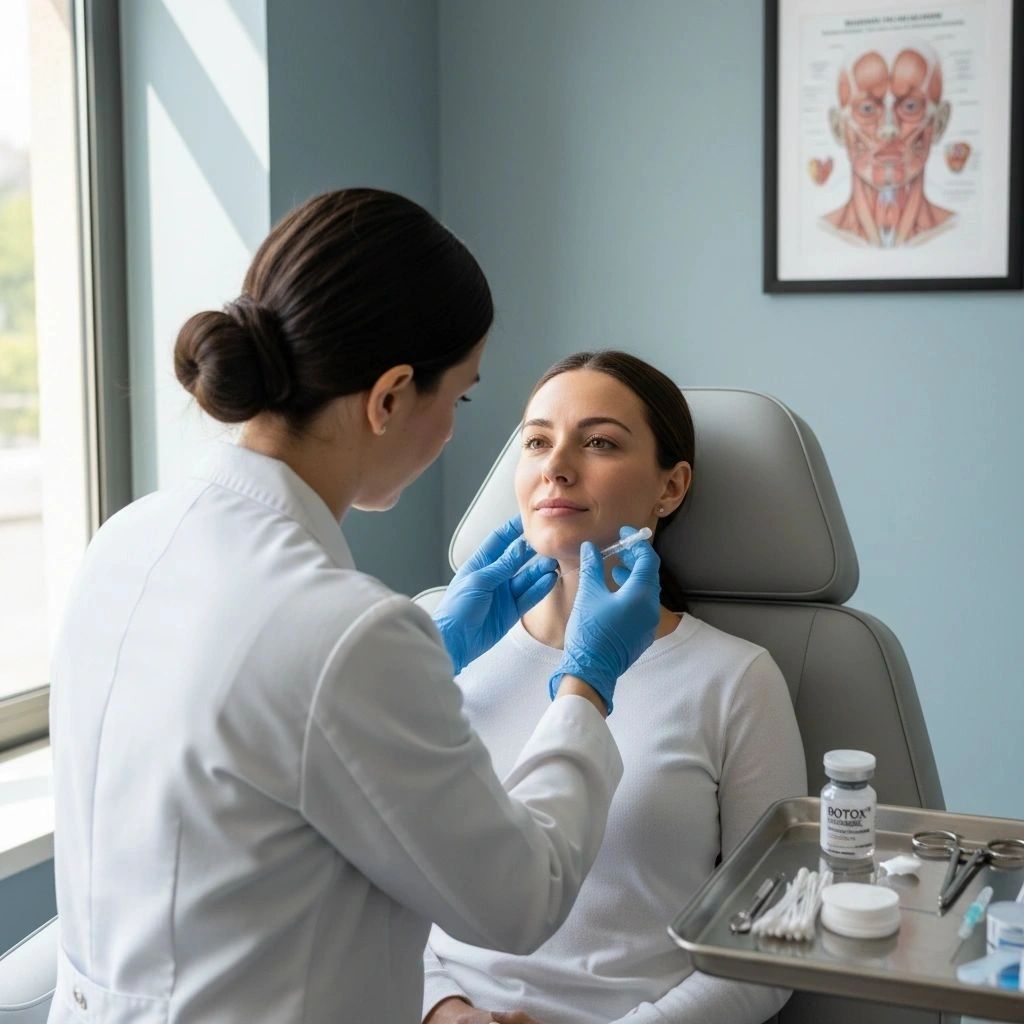
2. Administer Precise Injections
Small amounts of botulinum toxin are injected into carefully selected muscle sites using fine needles.
The procedure is typically performed in-office and may take approximately 15 to 20 minutes, depending on the number of treatment areas.
3. Allow the Muscles to Relax
Botox works by temporarily reducing the nerve signals responsible for excessive muscle contraction.
The effects generally begin developing within several days, although the timing varies between patients.
Reducing excessive muscle activity may help decrease:
-
Jaw clenching
-
Teeth grinding
-
Muscle spasms
-
Facial tension
-
Pressure on the jaw joint
4. Monitor Symptom Improvement
Some patients may experience improvements such as:
-
Fewer tension-related headaches
-
Reduced facial pain
-
Less jaw tightness
-
Improved jaw movement
-
Reduced grinding or clenching
-
Less muscle fatigue
Results vary, and Botox does not correct every structural or mechanical cause of TMJ dysfunction.
5. Attend Follow-Up Evaluations
The effects of Botox are temporary and commonly last several months.
Follow-up appointments allow the provider to assess symptom changes and determine whether additional treatment is appropriate.
Botox may be combined with other therapies such as:
-
Oral appliances
-
Physical therapy
-
Jaw exercises
-
Posture correction
-
Stress management
-
Behavioral modification
-
Sleep-related treatment
For Los Angeles residents experiencing chronic jaw tension, Botox may be considered as one part of a comprehensive TMJ care plan focused on comfort and function.
3 Key Benefits of TMJ Botox Treatment
Botox therapy may provide several benefits for patients whose TMJ symptoms are associated with overactive jaw muscles.
1. Targeted Pain Relief Without Surgery
Botox temporarily relaxes muscles such as the masseter and temporalis, which may become overworked because of bruxism or stress-related jaw tension.
By reducing excessive muscle contractions, treatment may help decrease:
-
Facial pain
-
Muscle tightness
-
Tension-related headaches
-
Jaw fatigue
-
Ear pressure
-
Clenching intensity
Because the procedure is non-surgical, most patients do not require an extended recovery period.
2. Improved Jaw Mobility and Function
Chronic muscle tightness can restrict jaw movement and contribute to discomfort when speaking, chewing or opening the mouth.
Reducing excessive muscle activity may help support:
-
Smoother jaw movement
-
Less muscle resistance
-
Reduced jaw fatigue
-
Improved comfort while chewing
-
Decreased strain on the jaw system
Botox may be especially helpful when muscle overactivity is a significant part of the patient’s condition.
3. A Minimally Invasive In-Office Treatment
TMJ Botox is generally performed during a brief office visit.
Potential advantages include:
-
No surgical incisions
-
Minimal interruption to daily activities
-
A relatively short treatment appointment
-
No extended recovery period for most patients
-
The ability to combine treatment with conservative therapies
Patients should still follow their provider’s post-treatment instructions and discuss possible side effects before proceeding.
Frequently Asked Questions About TMJ Botox
What Is TMJ Botox and How Does It Work?
TMJ Botox refers to the therapeutic use of botulinum toxin injections in muscles associated with jaw movement, such as the masseter or temporalis.
By temporarily reducing nerve signals to overactive muscles, Botox may help interrupt the cycle of clenching, muscle tension and pain.
It may be considered for symptoms such as:
-
Chronic jaw tightness
-
Bruxism
-
Muscle-related facial pain
-
Tension-type headaches
-
Restricted jaw movement
Botox does not treat every form of TMJ dysfunction, particularly when symptoms are primarily caused by significant structural joint damage.
Is Botox for TMJ Safe?
Botox has an established history of use for several medical and cosmetic indications.
However, TMJ treatment should be provided by a qualified professional who understands jaw function, facial anatomy and appropriate dosing.
Possible side effects may include:
-
Temporary soreness
-
Bruising
-
Swelling
-
Headache
-
Temporary chewing weakness
-
Facial asymmetry
-
Changes in the smile
-
Difficulty swallowing in uncommon cases
A consultation is necessary to determine whether treatment is appropriate based on the patient’s health history and symptoms.
How Long Do the Results Last?
The effects commonly last approximately three to four months, although results vary.
Factors that may influence duration include:
-
Dosage
-
Muscle strength
-
Metabolism
-
Severity of clenching
-
Treatment history
-
Lifestyle habits
Follow-up treatments may be recommended when symptoms return, but the treatment schedule should be individualized.
What Is the Treatment Process Like?
The process usually begins with an evaluation of jaw movement, muscle tenderness and symptom patterns.
Once the treatment areas are identified, the provider administers several small injections into the targeted muscles.
The appointment is generally brief and most patients can return to normal activities afterward.
Patients may be advised to avoid rubbing the injection sites, strenuous exercise or lying flat for a specified period after treatment.
Will My Appearance Change?
Therapeutic Botox may subtly change the appearance of the lower face, especially when injected into enlarged masseter muscles.
Possible changes may include:
-
A softer jawline
-
Reduced muscle bulk
-
Mild facial slimming
-
Temporary asymmetry
When treatment is focused on function, the goal is to reduce excessive muscle activity while preserving natural facial movement.
Patients should discuss both therapeutic goals and possible cosmetic changes before treatment.
Is Botox a Permanent Cure for TMJ Disorders?
No. Botox provides temporary muscle relaxation and is not considered a permanent cure.
It may help control symptoms while other contributing factors are addressed through treatments such as:
-
Oral appliance therapy
-
Physical therapy
-
Posture correction
-
Stress management
-
Behavioral changes
-
Sleep evaluation
-
Joint-focused treatment
A comprehensive assessment is important because TMJ disorders can involve the muscles, joints, nerves or a combination of these structures.
Find Lasting Relief: Your Next Steps Toward TMJ Pain Management
Botox may provide targeted relief for certain patients experiencing TMJ-related muscle tension, jaw pain and associated headaches.
By reducing excessive activity in muscles involved in clenching and grinding, Botox may help improve comfort and jaw function.
Its minimally invasive nature makes it an option for patients in Los Angeles and surrounding areas who are exploring alternatives to surgery or long-term medication use.
However, Botox is most effective when recommended after a careful evaluation and incorporated into a broader treatment plan.
Signs That It May Be Time for an Evaluation
Consider seeking professional care if you experience:
-
Recurring jaw tightness
-
Chronic facial pain
-
Morning headaches
-
Headaches that worsen throughout the day
-
Nighttime grinding
-
Stress-related clenching
-
Jaw clicking or locking
-
Difficulty chewing
-
Limited mouth opening
-
Tender jaw muscles
Steps You Can Take Before Your Appointment
-
Track when your symptoms occur.
-
Record the location and intensity of your pain.
-
Note whether symptoms worsen after waking or during stressful periods.
-
Monitor clenching or grinding habits.
-
List previous treatments and medications.
-
Record jaw clicking, locking or limited movement.
-
Bring any relevant dental or medical records.
-
Write down questions about Botox and other treatment options.
Seek care from a provider trained in orofacial pain, TMJ disorders or related neuromuscular conditions.
A personalized evaluation can help determine whether Botox, conservative therapy or another treatment approach is most appropriate for your symptoms.
Relief may be possible. Take the first step by scheduling a comprehensive assessment with a qualified specialist.