
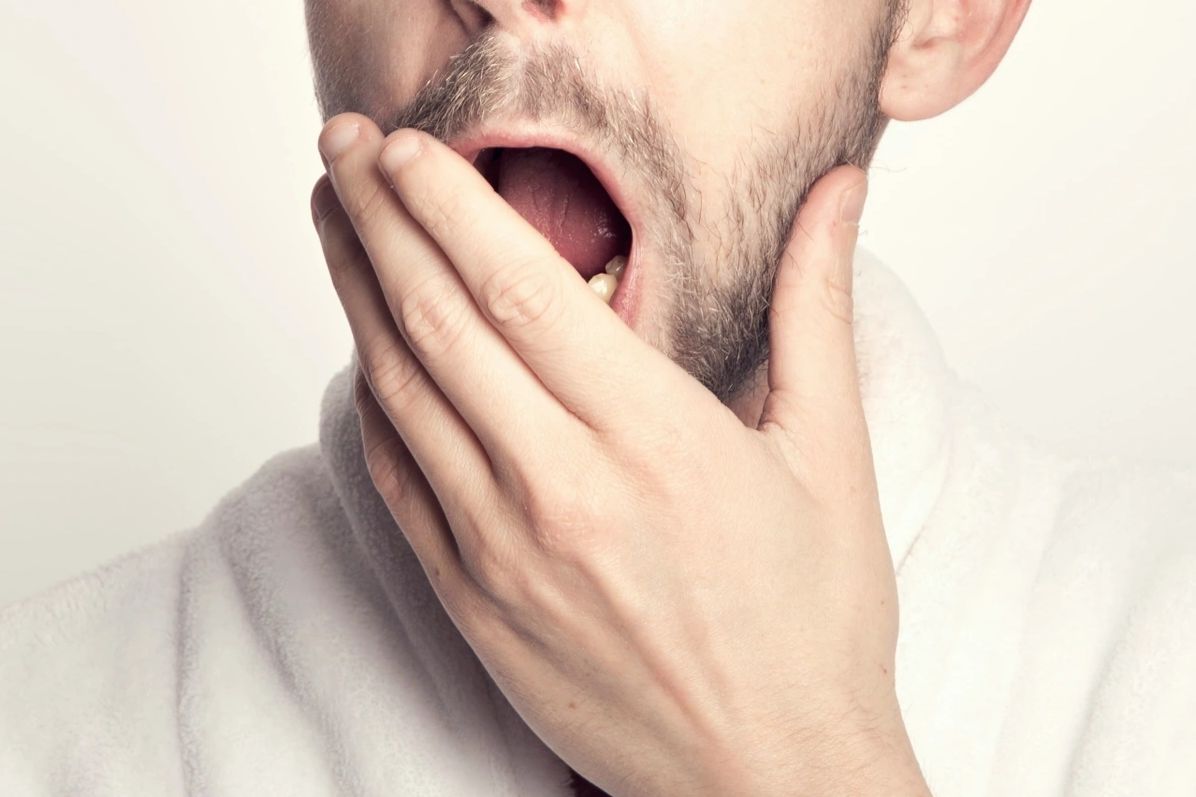
Yawning should be effortless. If you regularly notice jaw pain, clicking, or a locked feeling when you open your mouth wide, your temporomandibular joint may be the source of the problem. Here is what is actually happening and what you can do about it.
What is the TMJ and why does yawning stress it?
The temporomandibular joint, or TMJ, is the hinge that connects your lower jaw to your skull. You can locate it by placing a finger just in front of your ear and opening your mouth. When this joint and the surrounding muscles are healthy, movement is smooth and painless.
Yawning puts more strain on the TMJ than almost any other daily movement because it requires the jaw to open wider than it typically does. If the muscles and structures around the joint are tight, inflamed, or misaligned, that wide stretch can trigger sharp pain, popping sounds, or a brief locking sensation. For many patients, yawning is one of the first moments they notice something is wrong.
What causes TMJ pain when yawning?
TMJ pain while yawning is rarely caused by the yawn itself. The yawn simply reveals a joint that is already under stress. Common underlying causes include:
Bruxism (teeth grinding or clenching)
Often happening during sleep without the patient being aware, bruxism places significant repetitive force on the joint and surrounding muscles.
Jaw misalignment
When the upper and lower teeth do not meet correctly, the joint compensates with every movement, leading to cumulative strain.
Arthritis
Osteoarthritis and rheumatoid arthritis both affect the TMJ, causing inflammation and cartilage deterioration that make wide jaw movements painful.
Stress and muscle tension
Chronic stress often manifests as jaw clenching throughout the day. Over time this tightens the muscles around the joint and reduces its range of comfortable motion.
Jaw injury or trauma
A blow to the jaw, a car accident, or even a difficult dental procedure can damage the joint or the disc inside it, causing pain that persists long after the initial injury.
Poor posture
Forward head posture, common in people who sit at desks for long periods, places extra load on the neck and jaw muscles and contributes to TMJ dysfunction.
Symptoms to watch for beyond the yawn itself
Jaw pain when yawning is often accompanied by other signs of a TMJ disorder. If you notice any of the following alongside the yawning pain, a professional evaluation is recommended sooner rather than later:
-
Clicking, popping, or grinding sounds when you open or close your mouth
-
Jaw locking in an open or closed position
-
Pain or soreness in the face, temples, or around the ears
-
Headaches, particularly in the morning
-
Difficulty chewing or a noticeable change in how your bite feels
-
Neck and shoulder stiffness connected to jaw tension
Things you can do at home to reduce jaw tension
Home care will not resolve the underlying cause of TMJ dysfunction, but it can meaningfully reduce day to day discomfort while you seek a proper diagnosis. The following approaches are commonly recommended:
1. Apply heat or cold. A warm compress relaxes tight facial muscles. An ice pack reduces swelling and acute pain. Alternate between the two for best results.
2. Modify your diet temporarily. Soft foods reduce the mechanical load on the joint. Avoid hard, crunchy, or chewy foods and chewing gum while symptoms are present.
3. Gentle jaw massage. Using circular motions along the cheekbone and just in front of the ear can relieve muscle tension in the short term.
4. Check your posture. Forward head posture significantly increases jaw strain. Adjusting your workstation and being conscious of your position throughout the day can make a noticeable difference.
5. Manage stress actively. Stress is a primary driver of jaw clenching. Yoga, meditation, regular exercise, and adequate sleep all reduce the baseline tension that feeds TMJ symptoms.
6. OTC anti-inflammatories. Ibuprofen or naproxen can reduce swelling and pain in the short term. These are not a long-term solution but can make the early days of symptoms more manageable.
What professional TMJ treatment looks like
When home care is not enough, a TMJ specialist will conduct a thorough evaluation of your symptoms, jaw movement, bite, and medical history before recommending a treatment plan. Depending on the diagnosis, treatment options may include:
Oral appliance therapy
Custom orthotic mouthguards are designed to realign the jaw and prevent clenching and grinding. Most patients wear them nightly, and symptoms typically improve within a few months.
Physical therapy
Targeted exercises improve jaw alignment, strengthen supporting muscles, and correct posture patterns that contribute to TMJ dysfunction.
Botox injections
Injected directly into the jaw muscles, Botox forces the overactive muscles surrounding the TMJ to relax, reducing clenching and the pain that comes with it.
Biofeedback therapy
This technology helps patients identify unconscious behaviors like clenching so they can actively modify those patterns before they trigger pain.
Prescription medications
Muscle relaxants, low-dose antidepressants, or corticosteroid injections may be appropriate for more severe cases where over-the-counter options are not providing adequate relief.
Oral and maxillofacial surgery
Reserved for severe or structural cases that do not respond to conservative treatment. Surgery is rarely the first recommendation but may be necessary for significant joint damage or misalignment.
Jaw pain when yawning is not something to push through
If yawning consistently causes pain, clicking, or jaw locking, it is time to get a proper evaluation. Dr. Katayoun Omrani specializes in the diagnosis and treatment of TMJ disorders and orofacial pain. A targeted treatment plan can address the underlying cause and help you get back to pain-free daily function.
Call (310) 422-4246 to schedule an appointment