
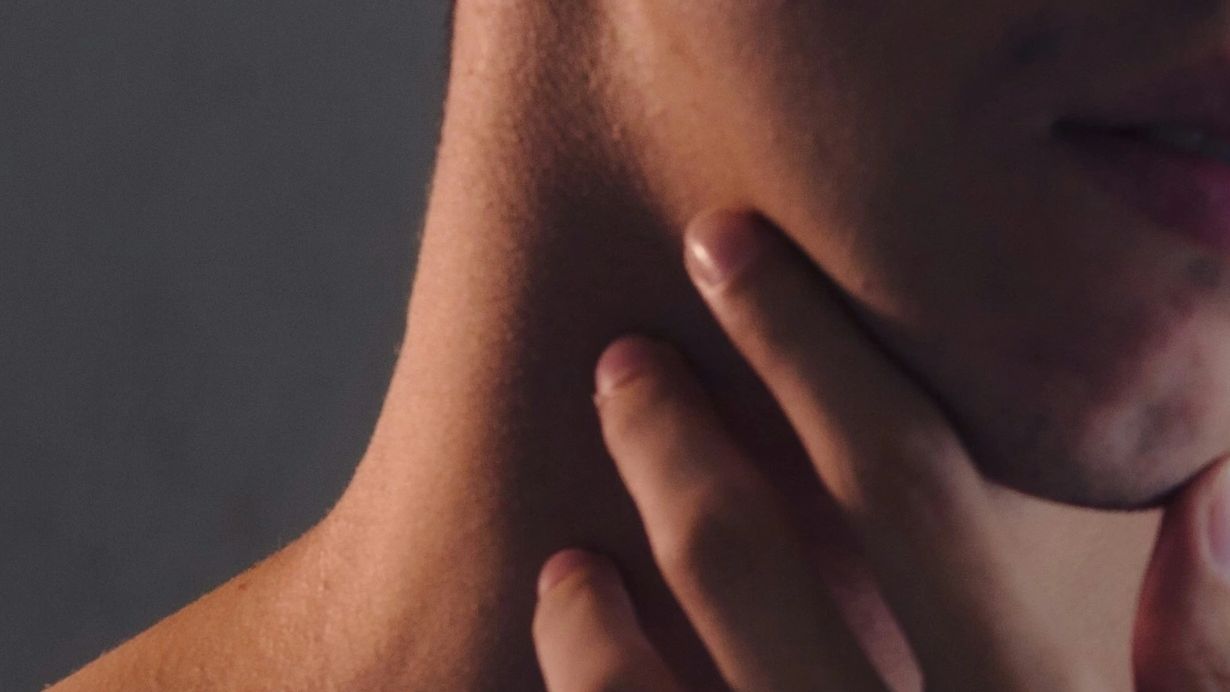
Millions of people experience jaw popping or clicking at some point in their lives. Most of the time it is a minor nuisance with no serious cause. But when it comes with pain, limited movement, or other symptoms, it can signal an underlying problem that deserves attention. Here is what to know.
What is jaw popping and what causes it?
Jaw popping is most often the result of dysfunction in the temporomandibular joint, the hinge on each side of your head that connects the lower jaw to the skull just below the ears. This joint is active every time you open your mouth, chew, speak, or yawn. When the joint or its surrounding tissues are stressed or damaged, movement can produce clicking, popping, or grinding sounds.
Everyday habits are the most common culprit. Nail biting, teeth grinding, jaw clenching, and frequent gum chewing all create repetitive wear on the TMJ. Over time this erodes the cartilage and tissue that cushion the joint, leading to the sounds and sensations patients describe as popping or clicking. The causes below are less common but more serious and worth understanding.
What can cause jaw popping beyond everyday habits?
Arthritis
Both osteoarthritis and rheumatoid arthritis affect the TMJ. Osteoarthritis gradually destroys the cartilage inside the joint, changing its shape and function. Rheumatoid arthritis causes the immune system to attack healthy joint tissue, producing chronic inflammation. Either condition results in painful jaw movement, reduced range of motion, and popping or clicking sounds.
Jaw fracture or dislocation
A blow to the face from a fall, car accident, sports injury, or assault can fracture the jawbone or dislocate the joint entirely. When the jaw does not heal correctly, long-term popping, clicking, and pain are common outcomes. Acute injuries will also produce swelling, bruising, numbness, and significant pain at the time of impact.
Teeth misalignment (malocclusion)
Overbite, underbite, crossbite, and crowded teeth all place uneven stress on the TMJ. When the teeth do not come together properly, the joint compensates with every bite, gradually leading to dysfunction. Associated symptoms include mouth breathing, discomfort when eating, difficulty speaking, and frequently biting the inside of the cheek or tongue.
Myofascial pain syndrome
This condition causes chronic pain at specific trigger points in the muscles. Around the TMJ, trigger points are often activated by gum chewing, eating tough foods, or teeth grinding. When these muscles are in pain, the jaw compensates by moving differently, which can produce clicking and further strain the joint.
Sleep apnea
Sleep apnea does not directly cause jaw popping, but the two are closely linked. When the airway collapses during sleep, the jaw often shifts backward, blocking airflow. The unconscious effort to reopen the airway by pushing the jaw forward happens repeatedly throughout the night. Over time these repeated corrections create stress patterns in the TMJ that can lead to clicking and popping.
Salivary gland infection
Bacterial or viral infections of the parotid or submandibular glands can cause painful swelling of the glands and surrounding tissue. This swelling places pressure on the TMJ, restricting movement and contributing to popping. Additional signs include dry mouth, a foul taste, and visible pus near the gland openings.
Oral tumors
In rare cases, tumors of the lips, tongue, cheek, gums, or palate can grow large enough to impact jaw function. If you notice a sore that will not heal, loose teeth, deteriorating gums, a growth inside the mouth or on the neck, or unexplained weight loss, see a specialist promptly. These symptoms warrant immediate evaluation.
When is jaw popping something to worry about?
Painless jaw popping with no other symptoms is generally not a medical concern. Many people live with occasional clicking without any issue. However, the following symptoms alongside jaw popping are reasons to see a specialist without delay:
- Pain or soreness in the jaw
- Swelling or inflammation around the joint
- Jaw locking open or closed
- Reduced range of jaw movement
- Difficulty chewing or speaking
- Chronic headaches, earaches, or neck pain
- Sores, growths, or pus in the mouth
- Deteriorating teeth or gum tissu
- Home remedies for mild jaw popping
For mild symptoms without a serious underlying cause, the following approaches can reduce discomfort and prevent the condition from worsening:
-
Apply an ice pack or cold compress to the TMJ to reduce inflammation
-
Take OTC anti-inflammatories like ibuprofen or aspirin for short-term pain relief
-
Switch to a softer diet that reduces the load on the joint
-
Use a nighttime mouthguard to prevent grinding and clenching during sleep
-
Practice stress reduction through meditation, exercise, or other relaxation techniques
-
Perform gentle jaw exercises to improve mobility and reduce muscle tightness
-
Avoid habits that stress the joint such as nail biting, gum chewing, and chewing on ice
Medical treatment options for jaw popping
When home remedies are not enough, a specialist can recommend more targeted treatment. Options depend on the underlying diagnosis and may include:
Corrective dental work
Braces or other orthodontic treatment to correct bite misalignment that is contributing to joint stress.
Trigger point injections
Injections directly into painful trigger points in the jaw muscles to relieve the pressure and discomfort associated with myofascial pain syndrome.
Prescription medications
Muscle relaxants, anti-anxiety medications, and antidepressants can all play a role in managing TMJ dysfunction depending on the contributing factors.
TENS therapy
Transcutaneous electrical nerve stimulation uses low-level electrical currents to relax the jaw muscles and relieve pain without medication.
Laser or radio wave therapy
These therapies stimulate blood flow and tissue healing in the joint area while reducing muscle tightness and improving range of motion.
Surgery
Reserved for severe structural damage. Surgical options range from draining fluid from the joint to full joint replacement, depending on the extent of damage.
Jaw popping with pain deserves a proper evaluation
Dr. Katayoun Omrani at Headache TMJ Los Angeles Pain Clinic specializes in diagnosing and treating the full range of TMJ disorders and orofacial pain conditions. If your jaw popping is accompanied by pain, limited movement, or any of the symptoms described above, a thorough evaluation can identify the cause and get you into the right treatment plan.
Call (310) 422-4246 to schedule an appointment