
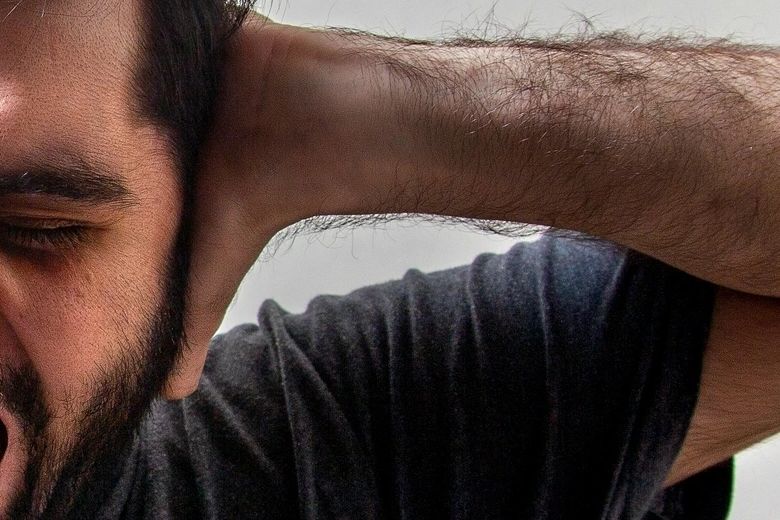
Ear pain without an obvious cause is more common than most people realize. If you have already ruled out an ear infection but the pain keeps coming back, your temporomandibular joint may be the source. Here is what that connection looks like and how to tell the difference.
Why the TMJ and your ear are so closely connected
The temporomandibular joint sits on each side of your head, directly beneath your ear canal, at a distance of roughly half a centimeter. It is the hinge that connects your lower jaw to your skull and is active every time you speak, chew, yawn, or swallow.
Because the TMJ shares a dense network of nerves with the structures of the inner ear, inflammation or strain in the joint does not always stay localized. Pain, pressure, and even ringing can radiate into the ear, face, neck, and shoulders without any problem existing in the ear itself. This is why TMJ-related ear pain is so frequently misdiagnosed or treated as an ear infection first.
What causes the TMJ to become inflamed in the first place?
Teeth grinding and clenching (bruxism)
One of the most common drivers of TMJ dysfunction, often happening during sleep. The repetitive force gradually inflames the joint and strains the surrounding muscles.
Overuse of the jaw
Excessive yawning, loud or prolonged talking, singing, or frequently eating hard and chewy foods all place cumulative stress on the joint.
Physical trauma
A blow to the head or face can cause the joint to swell or displace the internal disc, triggering pain that may not fully surface for days or weeks after the injury.
Arthritis
Both osteoarthritis and rheumatoid arthritis degrade the cartilage and tissue within the TMJ, causing progressive inflammation and pain with jaw movement.
Chronic stress
Stress is a significant and often overlooked factor. People who clench their jaw during stressful periods frequently develop TMJ dysfunction without ever connecting the two.
TMJ ear pain versus an ear infection: how to tell them apart
Nearly 75 percent of people with TMJ dysfunction report ear-related pain or discomfort, according to published research. The overlap with ear infection symptoms makes this one of the most commonly confused conditions in orofacial medicine. Here is how the two tend to differ:
Points to TMJ
-
Pain in front of or below the ear, not inside it
-
Pain worsens when you move your jaw
-
Clicking or popping sounds in the jaw
-
Jaw stiffness or difficulty opening your mouth
-
No recent illness or fever
-
Symptoms persisting beyond two weeks
Points to ear infection
-
Pain felt deep inside the ear
-
Recent cold, flu, or respiratory illness
-
Fever or warm skin around the ear
-
Discharge from the ear
-
Symptoms improve with antibiotics
-
Resolves within one to two weeks
Both conditions can cause dull or sharp ear pain, a feeling of fullness or pressure in the ear, tinnitus, headaches, and some degree of hearing difficulty. If an ear infection has been ruled out and symptoms persist, a TMJ evaluation is the logical next step.
Other symptoms that point to TMJ dysfunction
Ear pain is one of the most common TMJ symptoms but it is rarely the only one. The following additional signs, especially when present alongside ear discomfort, strongly suggest a TMJ evaluation is warranted:
-
Clicking, popping, or grinding sounds when opening and closing the jaw
-
Jaw locking in an open or closed position
-
Difficulty chewing or a change in how your bite feels
-
Ringing in the ears (tinnitus)
-
Pain behind the eyes or across the temples
-
Facial soreness or tightness around the jaw and cheeks
-
Neck and shoulder pain connected to jaw tension
What you can do at home to relieve TMJ ear pain
Home care can help manage symptoms in the short term but will not correct the underlying dysfunction. These approaches are a reasonable starting point while you arrange a professional evaluation:
1. Heat and cold therapy. Apply a warm compress to relax the muscles around the joint, or an ice pack to reduce acute inflammation. Applying heat around the ear area can provide meaningful short-term relief.
2. Eat softer foods. Hard candy, chewy meats, gum, and frozen desserts all increase stress on the TMJ. A temporary soft food diet reduces the mechanical load on the joint while it recovers.
3. Limit wide jaw movements. Avoid habits like biting your nails, chewing on pens, or making exaggerated facial movements during activities that require heavy jaw use.
4. Work on your posture. Slouching and forward head positioning place excess strain on the jaw and neck. Adjusting your seated position, particularly at a desk or while driving, can reduce ongoing TMJ stress.
5. Reduce stress actively. Stress is a primary driver of jaw clenching. Consistent stress management through exercise, meditation, or adequate sleep directly reduces TMJ strain.
6. OTC anti-inflammatories. Ibuprofen or aspirin can provide short-term relief while symptoms are acute. These are not a substitute for treatment but can make the early period more manageable.
Jaw exercises that can help relieve tension
Gentle jaw exercises can improve range of motion and reduce muscle tightness over time. Do not perform these during a flare-up or if you are experiencing significant pain. You should feel mild resistance, not pain, when performing them.
Jaw relaxation position
Keep your upper and lower teeth slightly apart with your lips closed. Rest your tongue gently behind your upper teeth. Hold this position to allow the jaw muscles to decompress.
Tongue-up stretch
Place your tongue on the roof of your mouth. Slowly open your mouth as wide as you comfortably can while keeping your tongue in contact with the roof. Hold for 15 seconds and repeat.
Resisted opening and closing
Place your thumb under your chin and open your mouth slowly against light resistance. Then place your hand against your chin and close your mouth against light resistance. Repeat 10 times each direction.
Side-to-side jaw movement
Open your mouth slightly and move your jaw slowly from side to side. Gently stretch to each side and hold briefly before returning to center.
What professional TMJ treatment involves
An orofacial specialist will begin with a review of your medical and dental history, followed by a physical examination of the jaw, bite, and surrounding muscles. They will listen for joint sounds, assess range of motion, and may order imaging if needed. Treatment options depend on the underlying cause and may include:
Custom mouthguard
A fitted oral appliance worn during sleep prevents grinding, realigns the jaw, and relieves pressure on the TMJ. Most patients see improvement within a few months of consistent use.
Prescription medications
Anti-inflammatories, muscle relaxants, corticosteroids, or low-dose antidepressants may be prescribed depending on the nature and severity of the dysfunction.
Physical therapy
Structured exercises and manual therapy to correct jaw alignment, strengthen supporting muscles, and address postural contributors to TMJ dysfunction.
Botox injections
Injected directly into overactive jaw muscles to force relaxation, reduce clenching force, and relieve associated pain in the jaw and ear area.
Surgery
Reserved for cases with significant structural joint damage that do not respond to conservative treatment. Surgery is rarely the first recommendation but is an option when needed.
Do not wait on persistent ear pain. Untreated TMJ dysfunction can lead to long-term complications including hearing changes and blocked eustachian tubes. If your symptoms have persisted for more than a week without improvement, a professional evaluation is the right next step.
Not sure if your ear pain is TMJ? Dr. Omrani can find out.
Dr. Katayoun Omrani specializes in the diagnosis and treatment of TMJ disorders and orofacial pain. A thorough evaluation can identify whether the TMJ is the source of your ear pain and what treatment will provide lasting relief.
Call (310) 422-4246 to schedule an appointment